“The redevelopment of the 1980s BT Centre set to become one of the cities first net zero carbon buildings.”
Another great example of “innovative reinvention, local regeneration and sustainability in action”. The project continues the cities new approach to redevelopment (as previously seen in the newly opened Battersea Power Station and 100 Liverpool St.), conserving resources, increasing efficiency and sourcing sustainably. The reimagined former BT building in London will become one of the most energy efficient buildings in the city targeting net zero carbon.
Demolishing buildings can have a significant environmental impact, including the loss of embodied energy in the existing building materials. The emissions associated with the construction of a new building, and the positive benefits of energy efficiency is always lessened by the demolished one that came before. Panorama St Paul’s, however, is being approached with sustainability in mind – both during construction and operation by making considerable use of what’s already there – including the original structure and more than 1,500 tonnes of stone and granite from the façade – to keep its carbon footprint to a minimum.
Retrofitting existing buildings with energy-efficient technologies, using sustainable locally sourced materials in the redevelopment process, and incorporating green spaces into the design.
With Panorama St Paul, the city is demonstrating it’s commitment to reaching net zero and creating a more sustainable future for London. It’s important that more redevelopment projects take a similar approach, as this can help to reduce the environmental impact of the construction industry and support the transition to a more sustainable future proof built environment.
“The redevelopment of the 1980s BT Centre set to become one of the cities first net zero carbon buildings.”
Another great example of “innovative reinvention, local regeneration and sustainability in action”. The project continues the cities new approach to redevelopment (as previously seen in the newly opened Battersea Power Station and 100 Liverpool St.), conserving resources, increasing efficiency and sourcing sustainably. The reimagined former BT building in London will become one of the most energy efficient buildings in the city targeting net zero carbon.
Demolishing buildings can have a significant environmental impact, including the loss of embodied energy in the existing building materials. The emissions associated with the construction of a new building, and the positive benefits of energy efficiency is always lessened by the demolished one that came before. Panorama St Paul’s, however, is being approached with sustainability in mind – both during construction and operation by making considerable use of what’s already there – including the original structure and more than 1,500 tonnes of stone and granite from the façade – to keep its carbon footprint to a minimum.
Retrofitting existing buildings with energy-efficient technologies, using sustainable locally sourced materials in the redevelopment process, and incorporating green spaces into the design.
With Panorama St Paul, the city is demonstrating it’s commitment to reaching net zero and creating a more sustainable future for London. It’s important that more redevelopment projects take a similar approach, as this can help to reduce the environmental impact of the construction industry and support the transition to a more sustainable future proof built environment.

“The redevelopment of the 1980s BT Centre set to become one of the cities first net zero carbon buildings.”
Another great example of “innovative reinvention, local regeneration and sustainability in action”. The project continues the cities new approach to redevelopment (as previously seen in the newly opened Battersea Power Station and 100 Liverpool St.), conserving resources, increasing efficiency and sourcing sustainably. The reimagined former BT building in London will become one of the most energy efficient buildings in the city targeting net zero carbon.
Demolishing buildings can have a significant environmental impact, including the loss of embodied energy in the existing building materials. The emissions associated with the construction of a new building, and the positive benefits of energy efficiency is always lessened by the demolished one that came before. Panorama St Paul’s, however, is being approached with sustainability in mind – both during construction and operation by making considerable use of what’s already there – including the original structure and more than 1,500 tonnes of stone and granite from the façade – to keep its carbon footprint to a minimum.
Retrofitting existing buildings with energy-efficient technologies, using sustainable locally sourced materials in the redevelopment process, and incorporating green spaces into the design.
With Panorama St Paul, the city is demonstrating it’s commitment to reaching net zero and creating a more sustainable future for London. It’s important that more redevelopment projects take a similar approach, as this can help to reduce the environmental impact of the construction industry and support the transition to a more sustainable future proof built environment.
“The redevelopment of the 1980s BT Centre set to become one of the cities first net zero carbon buildings.”
Another great example of “innovative reinvention, local regeneration and sustainability in action”. The project continues the cities new approach to redevelopment (as previously seen in the newly opened Battersea Power Station and 100 Liverpool St.), conserving resources, increasing efficiency and sourcing sustainably. The reimagined former BT building in London will become one of the most energy efficient buildings in the city targeting net zero carbon.
Demolishing buildings can have a significant environmental impact, including the loss of embodied energy in the existing building materials. The emissions associated with the construction of a new building, and the positive benefits of energy efficiency is always lessened by the demolished one that came before. Panorama St Paul’s, however, is being approached with sustainability in mind – both during construction and operation by making considerable use of what’s already there – including the original structure and more than 1,500 tonnes of stone and granite from the façade – to keep its carbon footprint to a minimum.
Retrofitting existing buildings with energy-efficient technologies, using sustainable locally sourced materials in the redevelopment process, and incorporating green spaces into the design.
With Panorama St Paul, the city is demonstrating it’s commitment to reaching net zero and creating a more sustainable future for London. It’s important that more redevelopment projects take a similar approach, as this can help to reduce the environmental impact of the construction industry and support the transition to a more sustainable future proof built environment.
“The redevelopment of the 1980s BT Centre set to become one of the cities first net zero carbon buildings.”
Another great example of “innovative reinvention, local regeneration and sustainability in action”. The project continues the cities new approach to redevelopment (as previously seen in the newly opened Battersea Power Station and 100 Liverpool St.), conserving resources, increasing efficiency and sourcing sustainably. The reimagined former BT building in London will become one of the most energy efficient buildings in the city targeting net zero carbon.
Demolishing buildings can have a significant environmental impact, including the loss of embodied energy in the existing building materials. The emissions associated with the construction of a new building, and the positive benefits of energy efficiency is always lessened by the demolished one that came before. Panorama St Paul’s, however, is being approached with sustainability in mind – both during construction and operation by making considerable use of what’s already there – including the original structure and more than 1,500 tonnes of stone and granite from the façade – to keep its carbon footprint to a minimum.
Retrofitting existing buildings with energy-efficient technologies, using sustainable locally sourced materials in the redevelopment process, and incorporating green spaces into the design.
With Panorama St Paul, the city is demonstrating it’s commitment to reaching net zero and creating a more sustainable future for London. It’s important that more redevelopment projects take a similar approach, as this can help to reduce the environmental impact of the construction industry and support the transition to a more sustainable future proof built environment.
“The redevelopment of the 1980s BT Centre set to become one of the cities first net zero carbon buildings.”
Another great example of “innovative reinvention, local regeneration and sustainability in action”. The project continues the cities new approach to redevelopment (as previously seen in the newly opened Battersea Power Station and 100 Liverpool St.), conserving resources, increasing efficiency and sourcing sustainably. The reimagined former BT building in London will become one of the most energy efficient buildings in the city targeting net zero carbon.
Demolishing buildings can have a significant environmental impact, including the loss of embodied energy in the existing building materials. The emissions associated with the construction of a new building, and the positive benefits of energy efficiency is always lessened by the demolished one that came before. Panorama St Paul’s, however, is being approached with sustainability in mind – both during construction and operation by making considerable use of what’s already there – including the original structure and more than 1,500 tonnes of stone and granite from the façade – to keep its carbon footprint to a minimum.
Retrofitting existing buildings with energy-efficient technologies, using sustainable locally sourced materials in the redevelopment process, and incorporating green spaces into the design.
With Panorama St Paul, the city is demonstrating it’s commitment to reaching net zero and creating a more sustainable future for London. It’s important that more redevelopment projects take a similar approach, as this can help to reduce the environmental impact of the construction industry and support the transition to a more sustainable future proof built environment.
“The redevelopment of the 1980s BT Centre set to become one of the cities first net zero carbon buildings.”
Another great example of “innovative reinvention, local regeneration and sustainability in action”. The project continues the cities new approach to redevelopment (as previously seen in the newly opened Battersea Power Station and 100 Liverpool St.), conserving resources, increasing efficiency and sourcing sustainably. The reimagined former BT building in London will become one of the most energy efficient buildings in the city targeting net zero carbon.
Demolishing buildings can have a significant environmental impact, including the loss of embodied energy in the existing building materials. The emissions associated with the construction of a new building, and the positive benefits of energy efficiency is always lessened by the demolished one that came before. Panorama St Paul’s, however, is being approached with sustainability in mind – both during construction and operation by making considerable use of what’s already there – including the original structure and more than 1,500 tonnes of stone and granite from the façade – to keep its carbon footprint to a minimum.
Retrofitting existing buildings with energy-efficient technologies, using sustainable locally sourced materials in the redevelopment process, and incorporating green spaces into the design.
With Panorama St Paul, the city is demonstrating it’s commitment to reaching net zero and creating a more sustainable future for London. It’s important that more redevelopment projects take a similar approach, as this can help to reduce the environmental impact of the construction industry and support the transition to a more sustainable future proof built environment.
Day two delved into Industrial and Commercial Sprinkler Systems, with in-depth design sessions and more practical work on Zonecheck Addressable, rounded off with a session on Residential Sprinkler Systems and a team dinner. On the final day, we explored sprinkler maintenance and service, including a live demo of the Livetap system and an insightful session led by Rob Speakman (SPP Fire Pumps) on how to handle high rise building projects.
“It was a very enjoyable, engaging and beneficial course and I would highly recommend it to any engineers interested in fire protection design.” – Heba, Arup
It was an action-packed few days, filled with invaluable insights, collaboration, and practical skills development. Our special thanks go to Andy Fisher for his experienced teaching and leadership throughout the course, as well as to our other instructors and partners for their expertise. The positive feedback from the engineers at Arup has been fantastic, and we can’t wait for the next course to begin! If you’re a building consultant, public health engineer, or an industry professional looking to expand your fire safety knowledge, get in touch to book a course here at the Project Fire Academy.
We’re committed to delivering an exceptional training experience that combines both technical learning and a little bit of fun along the way! Email us at academy@projectfire.co.uk to enquire about upcoming sessions and book your place.
https://www.projectfireproducts.co.uk/fire-sprinkler-training/
“The redevelopment of the 1980s BT Centre set to become one of the cities first net zero carbon buildings.”
Another great example of “innovative reinvention, local regeneration and sustainability in action”. The project continues the cities new approach to redevelopment (as previously seen in the newly opened Battersea Power Station and 100 Liverpool St.), conserving resources, increasing efficiency and sourcing sustainably. The reimagined former BT building in London will become one of the most energy efficient buildings in the city targeting net zero carbon.
Demolishing buildings can have a significant environmental impact, including the loss of embodied energy in the existing building materials. The emissions associated with the construction of a new building, and the positive benefits of energy efficiency is always lessened by the demolished one that came before. Panorama St Paul’s, however, is being approached with sustainability in mind – both during construction and operation by making considerable use of what’s already there – including the original structure and more than 1,500 tonnes of stone and granite from the façade – to keep its carbon footprint to a minimum.
Retrofitting existing buildings with energy-efficient technologies, using sustainable locally sourced materials in the redevelopment process, and incorporating green spaces into the design.
With Panorama St Paul, the city is demonstrating it’s commitment to reaching net zero and creating a more sustainable future for London. It’s important that more redevelopment projects take a similar approach, as this can help to reduce the environmental impact of the construction industry and support the transition to a more sustainable future proof built environment.
Day two delved into Industrial and Commercial Sprinkler Systems, with in-depth design sessions and more practical work on Zonecheck Addressable, rounded off with a session on Residential Sprinkler Systems and a team dinner. On the final day, we explored sprinkler maintenance and service, including a live demo of the Livetap system and an insightful session led by Rob Speakman (SPP Fire Pumps) on how to handle high rise building projects.
“It was a very enjoyable, engaging and beneficial course and I would highly recommend it to any engineers interested in fire protection design.” – Heba, Arup
It was an action-packed few days, filled with invaluable insights, collaboration, and practical skills development. Our special thanks go to Andy Fisher for his experienced teaching and leadership throughout the course, as well as to our other instructors and partners for their expertise. The positive feedback from the engineers at Arup has been fantastic, and we can’t wait for the next course to begin! If you’re a building consultant, public health engineer, or an industry professional looking to expand your fire safety knowledge, get in touch to book a course here at the Project Fire Academy.
We’re committed to delivering an exceptional training experience that combines both technical learning and a little bit of fun along the way! Email us at academy@projectfire.co.uk to enquire about upcoming sessions and book your place.
https://www.projectfireproducts.co.uk/fire-sprinkler-training/
“The redevelopment of the 1980s BT Centre set to become one of the cities first net zero carbon buildings.”
Another great example of “innovative reinvention, local regeneration and sustainability in action”. The project continues the cities new approach to redevelopment (as previously seen in the newly opened Battersea Power Station and 100 Liverpool St.), conserving resources, increasing efficiency and sourcing sustainably. The reimagined former BT building in London will become one of the most energy efficient buildings in the city targeting net zero carbon.
Demolishing buildings can have a significant environmental impact, including the loss of embodied energy in the existing building materials. The emissions associated with the construction of a new building, and the positive benefits of energy efficiency is always lessened by the demolished one that came before. Panorama St Paul’s, however, is being approached with sustainability in mind – both during construction and operation by making considerable use of what’s already there – including the original structure and more than 1,500 tonnes of stone and granite from the façade – to keep its carbon footprint to a minimum.
Retrofitting existing buildings with energy-efficient technologies, using sustainable locally sourced materials in the redevelopment process, and incorporating green spaces into the design.
With Panorama St Paul, the city is demonstrating it’s commitment to reaching net zero and creating a more sustainable future for London. It’s important that more redevelopment projects take a similar approach, as this can help to reduce the environmental impact of the construction industry and support the transition to a more sustainable future proof built environment.
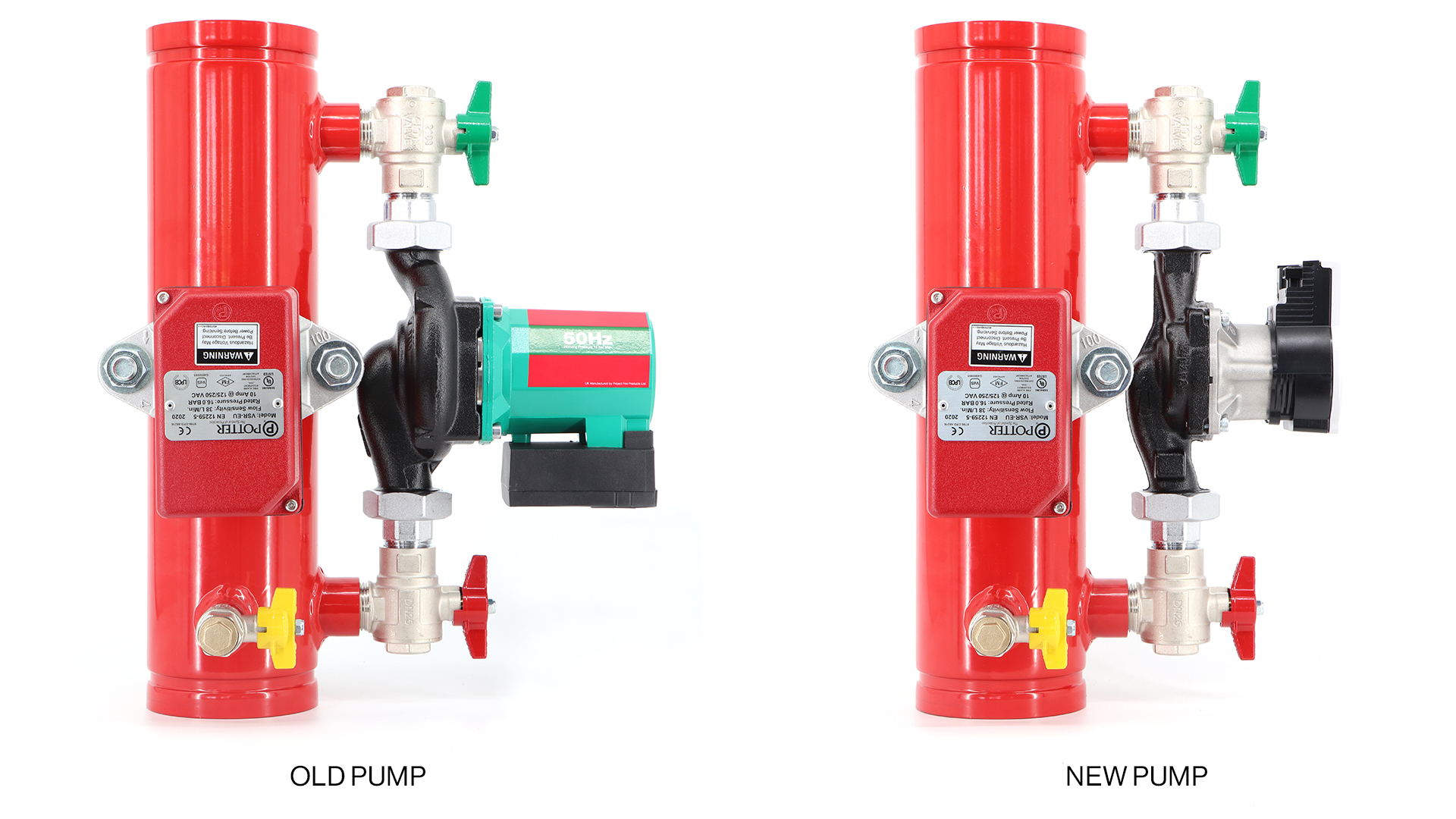
Technical Specifications
The new Zonecheck is a more efficient design and so has a lower power rating than the previous model. The performance of the two pumps is similar and flow rates are controlled via the use orifice plates built into the Zonecheck assembly so functionality remains the same. Below is a side by side comparison of the technical specifications. The max working pressure of Zonecheck remains the same, 12bar (with testing pressure of 18bar). This will be clearly labelled on the Zonecheck unit in a similar way to before. The pump itself is labelled as PN10 by the manufacturer but this pump (within the overall Zonecheck assembly) has gone through all of the rigorous tests from third party approval bodies as the previous model including static pressure testing to over 40bar.
| OLD PUMP | NEW PUMP | ||
|---|---|---|---|
| Type | Wilo | Type | Wilo |
| Operating voltage | 230V 50Hz | Operating voltage | 230V 50/60Hz |
| IMAX | 0.93A | IMAX | 0.82A |
| Max power rating | 195W | Max power rating | 75W |
| IP rating | IP43 | IP rating | IPX4D |
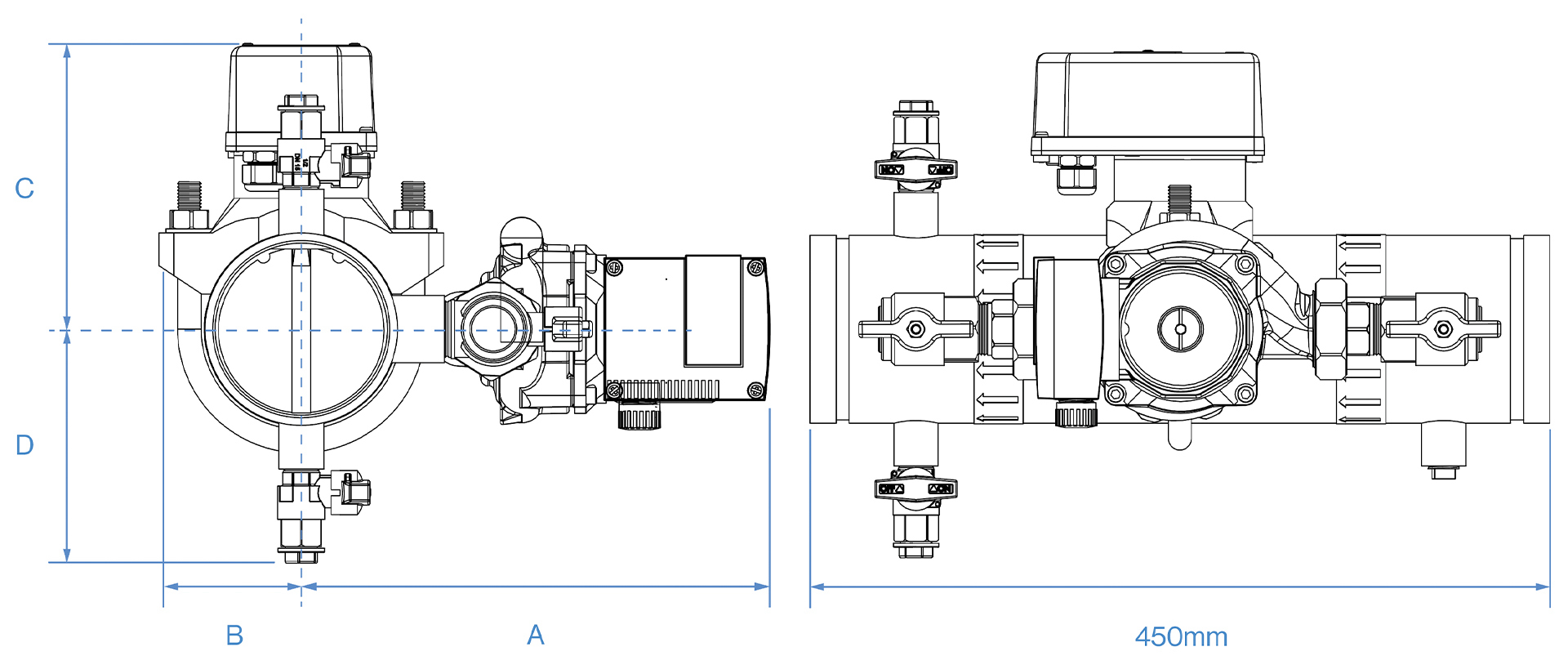
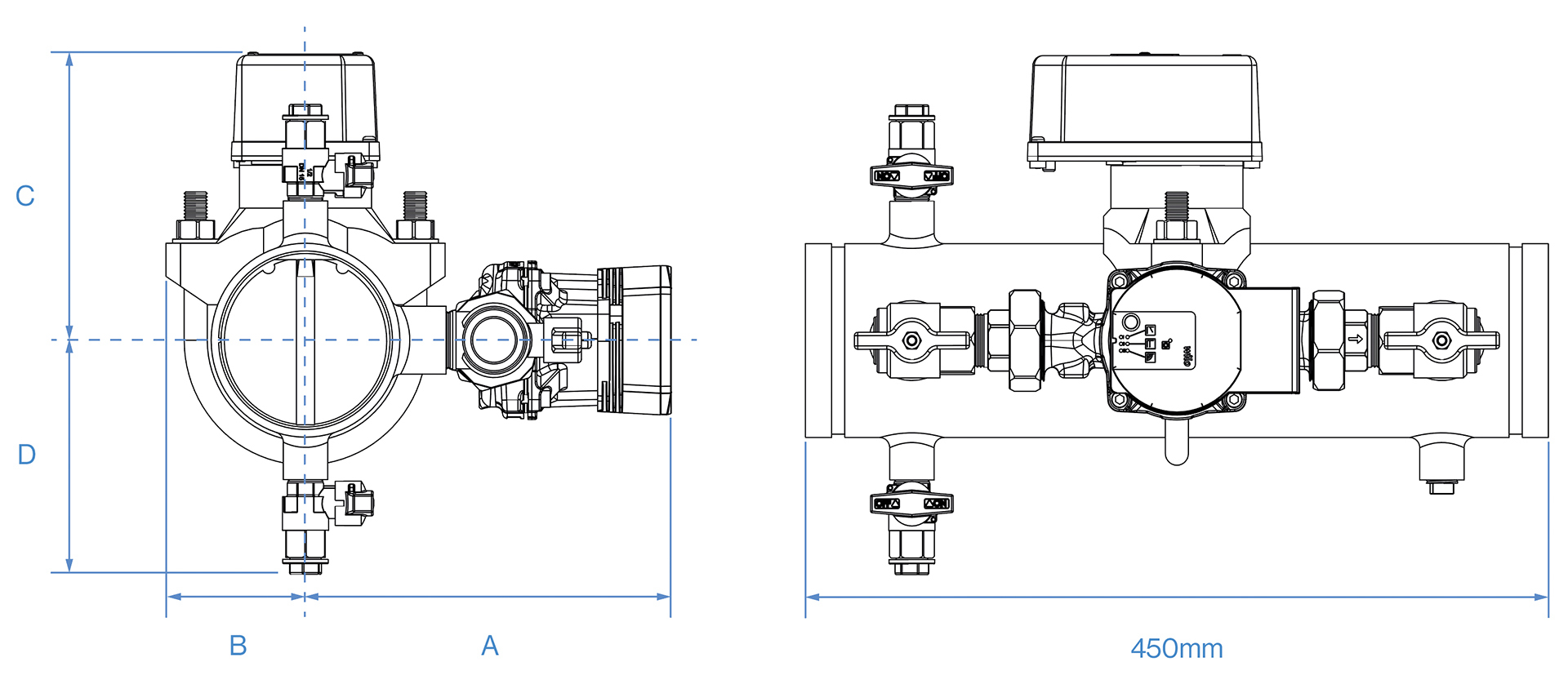
Dimensions
| OLD ZONECHECK | ||||
|---|---|---|---|---|
| ØMM | A | B | C | D |
| 50 (2″) | 256 | 66 | 145 | 116 |
| 65 (2 1/2″) | 264 | 66 | 155 | 124 |
| 80 (3″) | 271 | 85 | 165 | 130 |
| 100 (4″) | 283 | 85 | 170 | 140 |
| 150 (6″) | 309 | 115 | 195 | 170 |
| 200 (8″) | 336 | 150 | 225 | 195 |
| NEW ZONECHECK | ||||
|---|---|---|---|---|
| ØMM | A | B | C | D |
| 50 (2″) | 210 | 66 | 145 | 116 |
| 65 (2 1/2″) | 215 | 66 | 155 | 124 |
| 80 (3″) | 220 | 85 | 165 | 130 |
| 100 (4″) | 225 | 85 | 170 | 140 |
| 150 (6″) | 150 | 115 | 195 | 170 |
| 200 (8″) | 275 | 150 | 225 | 195 |
Wiring
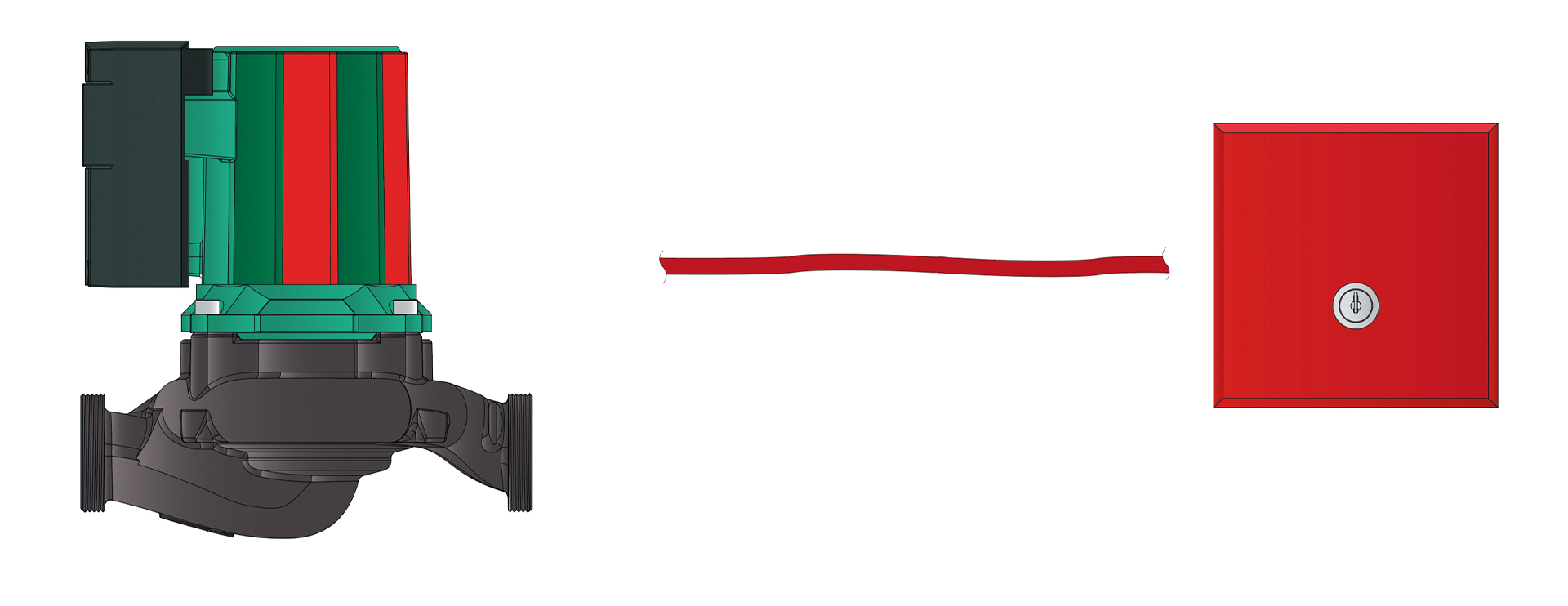
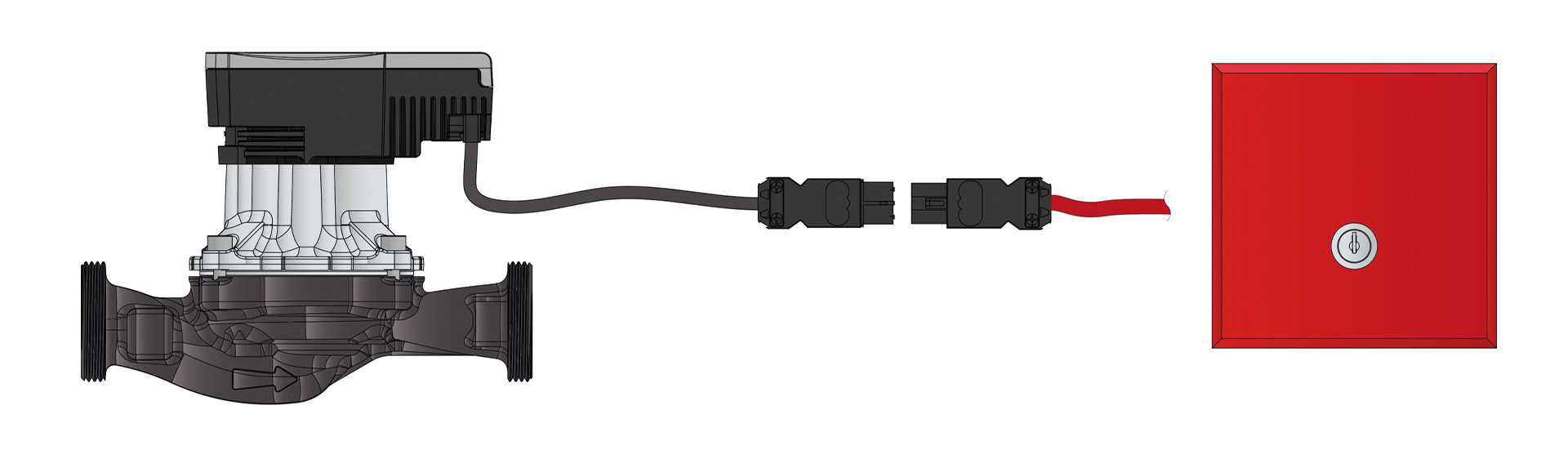
The old pump was wired directly into a plastic housing on the side of the pump. The new pump will be supplied with a short fly lead and a male/female connector (see below). The installer will firstly site the key-switch at an appropriate location and then wire from the key-switch to the female side of the connector assembly. This can then be plugged into the connector on the pump fly lead simplifying on-site installation.
Venting
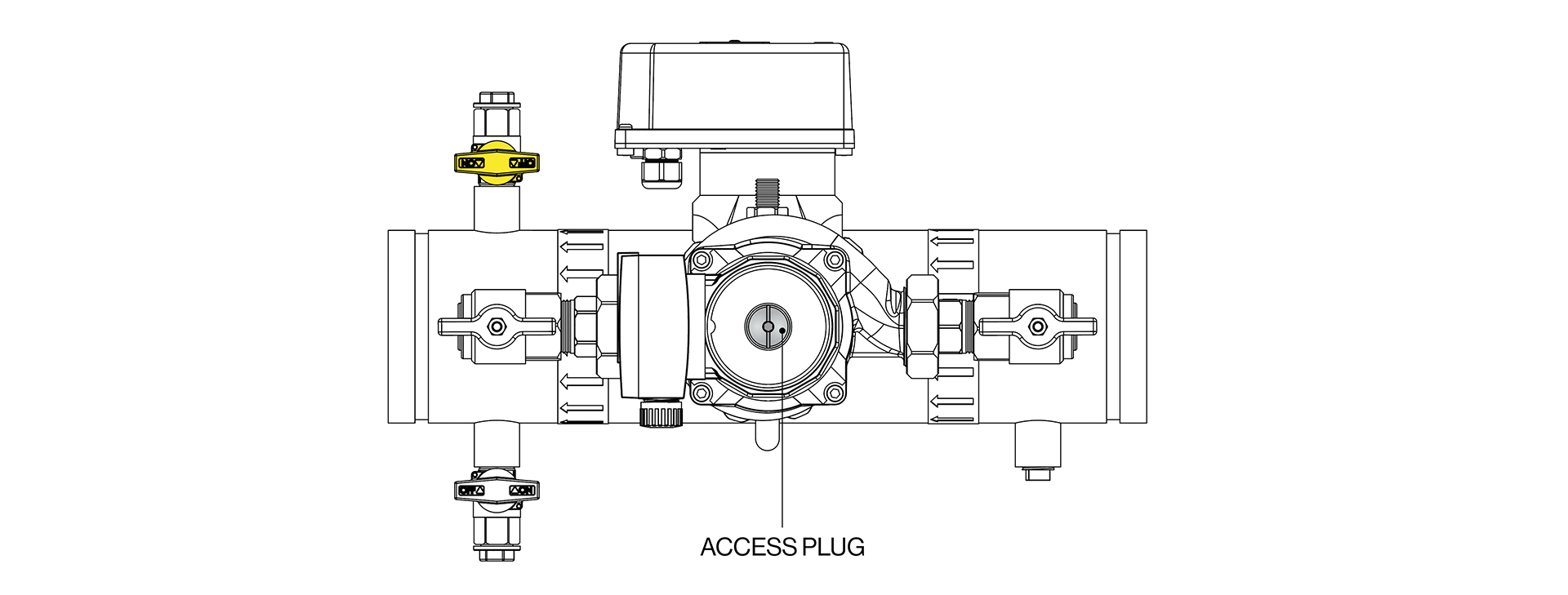
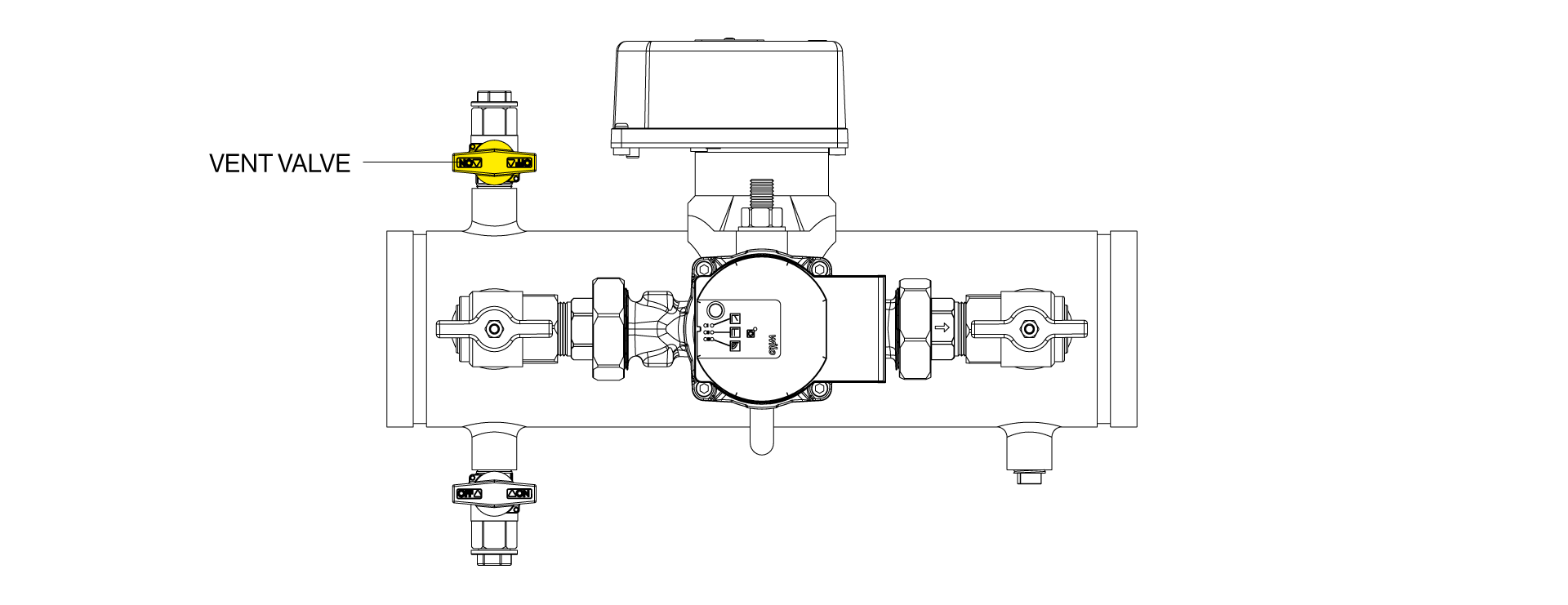
The new pump is designed to be less sensitive to pockets of air within the water. Zonecheck has always included a vent valve as part of the assembly so the Zonecheck can easily be vented via this means, although the old pump could be vented through a seal at the end of the pump motor assembly.
Venting is an important process to ensure that the pump works efficiently and trips the flow-switch. Venting is only required when the Zonecheck is installed horizontally and once the pipework is vented, it is unlikely to require further venting unless the pipework is drained and the water replaced.
The new pump is self venting and has the ability to push air out of the pump, although if you still continue to experience trapped air causing failed tests you can open the yellow vent value to discharge water to remove any further trapped air. You can view the new venting procedure for the new pump here.
Pump Replacement
The old pump has proven itself to be an extremely reliable pump and has been in service for over 20 years. In rare cases the pump can can cease if manufacturers guidelines aren’t followed, for instance when a Zonecheck is installed and no flow-switch testing has been carried out for a prolonged period of time.
The new pump model should provide a longer life span than the previous pump model (as long as manufacturers guidelines are followed) based on the life-cycle testing performed in-house at Project Fire.
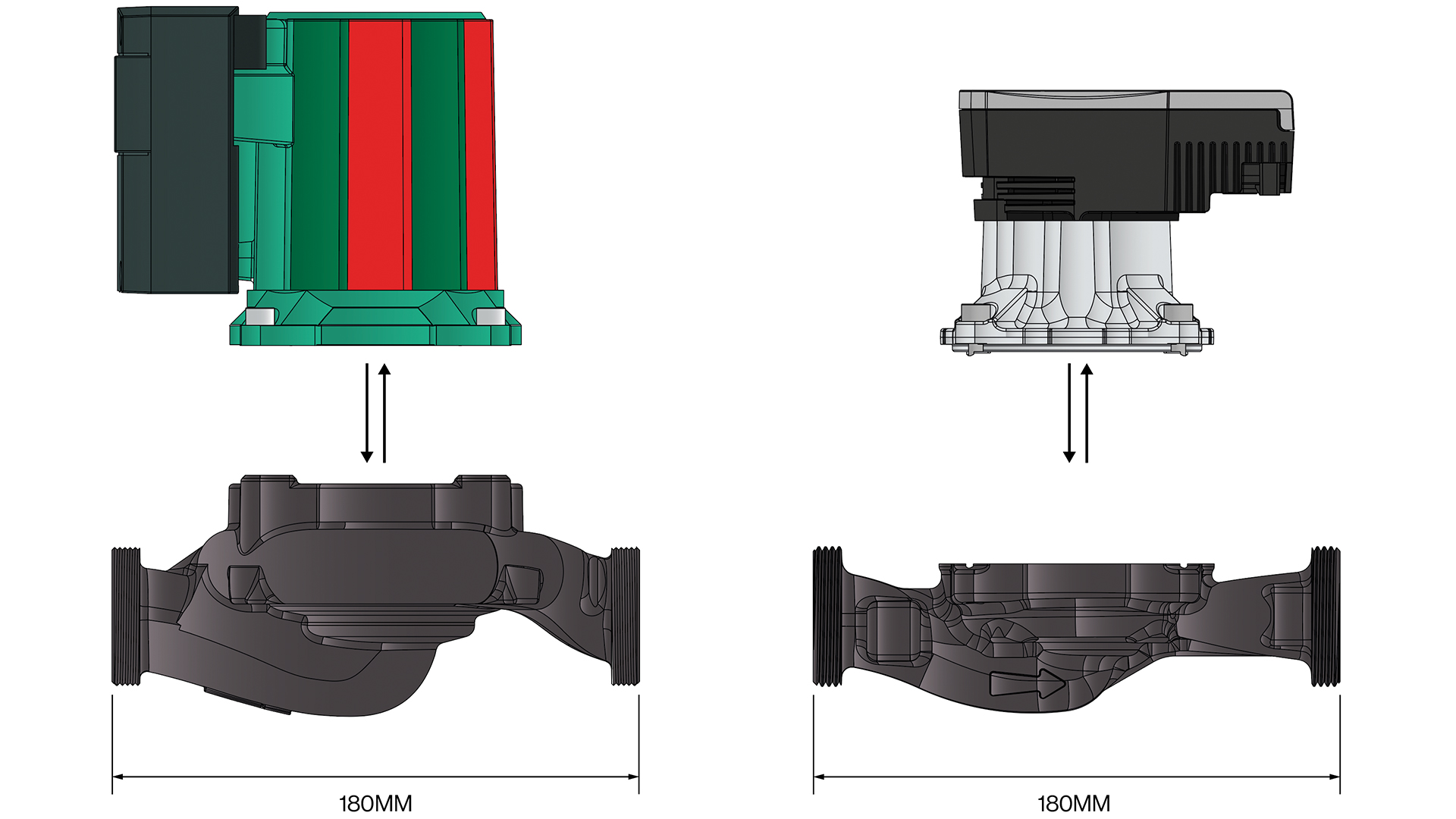
PUMP REPLACEMENT PROCEDURE
For both the old and new pump the replacement procedure is the same. If either of the pumps need to be replaced then there are two main ways to do this:
- Replace the pump motor only (easiest method)
- Replace both the pump motor and casting as an entire pump replacement.
It is important to note that the old and new pump heads are not interchangeable. However, an entire pump (motor and casting) are interchangeable (as the distance between the red and green valves remain the same). Project Fire will hold a stock of the old pumps for maintenance purposes but once these have gone, older Zonechecks that require a replacement pump will have to replace both the motor and casting.
Products Affected
- Zonecheck
- Zonecheck Retro-fit
- Zonecheck Pre-wired
- Zonecheck Addressable
- Zonecheck Econ Aqua (mist)
- Zonecheck Live
- Zonecheck Residential (galvanised)
- Firepod
“The redevelopment of the 1980s BT Centre set to become one of the cities first net zero carbon buildings.”
Another great example of “innovative reinvention, local regeneration and sustainability in action”. The project continues the cities new approach to redevelopment (as previously seen in the newly opened Battersea Power Station and 100 Liverpool St.), conserving resources, increasing efficiency and sourcing sustainably. The reimagined former BT building in London will become one of the most energy efficient buildings in the city targeting net zero carbon.
Demolishing buildings can have a significant environmental impact, including the loss of embodied energy in the existing building materials. The emissions associated with the construction of a new building, and the positive benefits of energy efficiency is always lessened by the demolished one that came before. Panorama St Paul’s, however, is being approached with sustainability in mind – both during construction and operation by making considerable use of what’s already there – including the original structure and more than 1,500 tonnes of stone and granite from the façade – to keep its carbon footprint to a minimum.
Retrofitting existing buildings with energy-efficient technologies, using sustainable locally sourced materials in the redevelopment process, and incorporating green spaces into the design.
With Panorama St Paul, the city is demonstrating it’s commitment to reaching net zero and creating a more sustainable future for London. It’s important that more redevelopment projects take a similar approach, as this can help to reduce the environmental impact of the construction industry and support the transition to a more sustainable future proof built environment.
Wiring
The old pump was wired directly into a plastic housing on the side of the pump. The new pump will be supplied with a short fly lead and a male/female connector (see below). The installer will firstly site the key-switch at an appropriate location and then wire from the key-switch to the female side of the connector assembly. This can then be plugged into the connector on the pump fly lead simplifying on-site installation.